
 LIVE RATES
Running Several Flips at Once: Lender Limits and Cash
Running multiple fix and flip loans at once? See how lenders view your exposure, how draws tie up cash, and a peak-cash worked example for four flips.
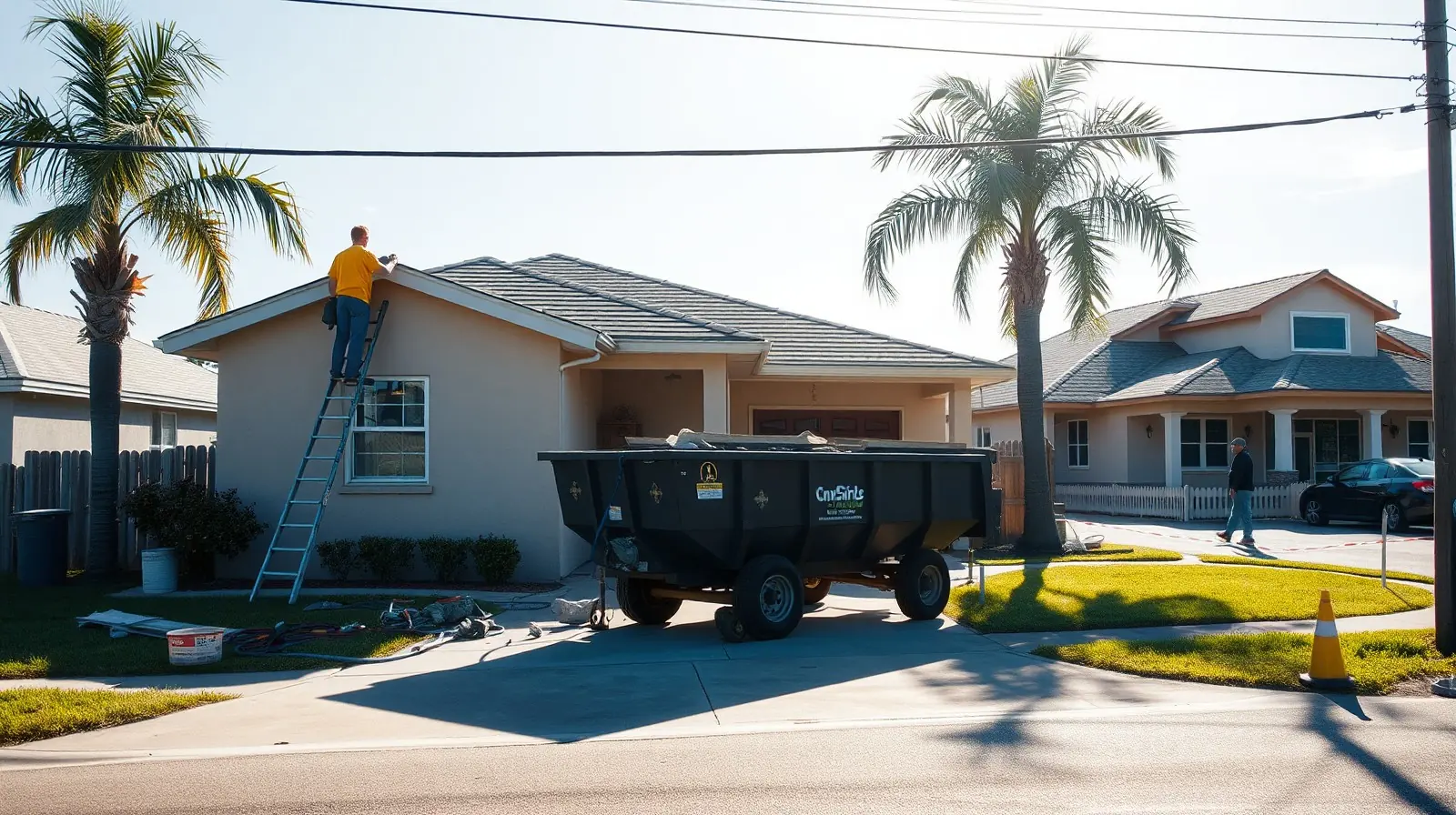
Once you have a few flips behind you, the next question is natural: can I run more than one at a time? Plenty of investors do. But multiple fix and flip loans at once change the game. The risk is not the deals. It is cash, contractors and calendar all colliding in the same month.
This guide covers how many flips you can realistically run, what lenders look at, how draws work across projects, and a worked example of peak cash for four flips.
Key takeaways
- There is rarely a hard limit on the number of flips. Cash, contractors and your attention run out first.
- Plan around peak cash need, the month when the most money is out the door across all projects.
- Draws are reimbursements, not advances. Each active project ties up working cash until the draw is funded.
- A flip that sells late is not a small problem when you have three others running. Stagger your starts.
- Lenders look at your track record, liquidity and total exposure, not just the single deal in front of them.
Multiple fix and flip loans at once: how many can you run?
Short answer: as many as your cash, team and systems can support without any single delay sinking the rest.
Here is a rough way to think about capacity.
The tightest of these sets your number. Most investors find it is cash first, contractor capacity second.
What the market tells you about timelines
Plan with real data, not hope. ATTOM's Q2 2026 Home Flipping Report (published October 1, 2026) found a typical flip took 161 days from purchase to resale, with typical gross profit of $60,526 and a typical profit margin of 21.5%. ATTOM described profits as in a gradual two-year decline, with margins down from the prior quarter in 67.7% of metros studied.
Two lessons for a multi-flip operator. First, 161 days is a typical number, so some of your projects will run longer. Second, thinner margins mean a delay of a month or two costs more than it used to. If you are running several flips, assume each one slips and test your cash against that.
How lenders look at a borrower with multiple loans
Lenders want to fund investors who finish projects. When you ask for loan number three or four, expect the review to include:
- Track record. Completed projects, on-budget, on-time, sold at or near plan. Keep a current track record sheet.
- Liquidity. Verified cash after closing, not just the down payment on this deal.
- Active projects. Where each stands: percent complete, draws taken, listing status.
- Deal quality. Purchase price, rehab scope and the exit value on each one.
- Total exposure. What you owe the lender across all loans.
Programs and policies differ by lender. Ask yours early how it treats borrowers with several active loans, instead of finding out at a closing table. A lender that knows your history and tracks your projects can move on the next deal faster. That is a real advantage when a good property will not wait.
Draws: the cash trap in a multi-flip operation
On a fix and flip loan, renovation money is released in draws as work is completed. RBI's fix and flip program funds the renovation in draws, and our Draws Client Portal lets you submit requests and track budgets online (see the portal announcement).
What that means in practice: your contractor does work, you pay for it, the work is verified, and the draw reimburses you. In between, your cash is out. Multiply by four projects and the float is real.
A related point is interest. RBI's fix and flip loans use non-Dutch interest, so you pay interest only on the funds actually disbursed, not on the full loan from day one. That lowers carrying cost on a project that is still early. It does not change the need for working cash.
Worked example: peak cash for four flips
This is a hypothetical example with assumed numbers. It is not RBI pricing or leverage.
Each flip
- Purchase price: $220,000
- Rehab budget: $60,000
- Expected resale (ARV): $360,000
- Cash needed at closing (down payment plus closing costs): $38,000
- Monthly interest while the loan is drawn (assumed average): $1,600
- Repair float (one draw's worth of work paid before reimbursement): $15,000
- Reserve for overruns (10% of rehab): $6,000
Cash needed per project at the same moment
Four projects at the same time: $63,800 x 4 = $255,200 of working cash.
Now stagger. If you start the projects two months apart, project one has already moved through some of its float and reserve needs by the time project four closes. Peak cash might drop to about 3 projects' worth, or roughly $191,400. Staggering is one of the cheapest ways to run more flips with less capital.
Now test a delay. Suppose project one sits unsold for two extra months. That costs about $3,200 in interest, plus taxes, insurance and utilities, and holds its capital back from the next purchase. With margins near 21.5%, small delays matter. Build a buffer.
Rules of thumb for running multiple flips
- Stagger starts. Aim for projects at different stages, not four demolitions in the same week.
- One owner per project. Name a project manager or a day each week for each site.
- Cap by cash, not ambition. Add a project only when the cash for it is on hand after covering the others.
- Track everything in one place. Budget, draws, schedule and listing date for every property.
- Hold a portfolio reserve. Beyond per-project reserves, keep cash aside for the unexpected.
- Do not overlap exits. Three listings the same month compete with each other.
Weekly checklist when several projects are active
- Percent complete versus draw schedule for each site
- Next draw request ready and photos taken
- Contractor payments due this week
- Budget variance on each project
- Days on market and price for listed properties
- Loan maturity dates and extension options
- Cash on hand versus next 30 days of commitments
Rates and the carrying cost
Carry is the silent profit killer on a multi-flip book. Hard money for a residential fix and flip ran at about 9% to 12% with 1 to 3 points in one June 2026 lender roll-up (Crestmont Capital, June 11, 2026). That is a market range, not RBI pricing. With the 30-year fixed at 7.18% as of November 5, 2026 (Freddie Mac PMMS), buyers also pay more to finance your resale, which can lengthen days on market. Price your flips to sell, and leave room in your timeline.
Why the lender matters more as you grow
When you run several flips, speed and consistency are what you buy from a lender. You need approvals that do not start from zero each time, a clear draw process and someone who picks up the phone. Our post on growing a fix and flip business with a private lender covers more on that.
At RBI we are a direct lender funding with our own capital, and you have a dedicated loan officer who knows your file. For repeat investors, Blueprint Preferred is our loyalty program, built to give back more as you grow. If a flip should become a hold, a bridge loan can carry the property until it refinances.
Frequently asked questions
How many fix and flip loans can I have at once?
There is no universal number. Lenders look at your track record, liquidity, the strength of each deal and your total exposure with them. Your real limit is usually cash, contractor capacity and your own time, not a hard cap.
Will a lender limit how much I borrow in total?
Many lenders consider total exposure to one borrower, and program limits vary. Ask your lender how it views several active loans and what it wants to see on your liquidity and track record.
How much cash do I need to run several flips?
Enough to cover each deal's down payment, closing costs, interest, and the float between spending on repairs and getting reimbursed through draws, plus reserves for overruns. Add those up across all active projects at the same time.
How do draws work when I have several projects?
On a fix and flip loan, renovation funds are released in draws as work is completed. With several projects, you usually pay contractors first and are reimbursed after inspection, so each project ties up cash until the draw is funded.
What is the biggest risk of running multiple flips?
Cash and schedule. A delayed sale or a cost overrun on one project drains reserves needed by the others. Stagger starts and keep a buffer.
Do lenders reward investors who keep coming back?
Often a lender that knows your track record can move faster. RBI offers Blueprint Preferred, a loyalty program for repeat borrowers. Ask your lender how repeat business is treated.
Ready for flip number two, three or four?
The deal won't wait. Neither will we. RBI is a direct lender with its own capital, a dedicated loan officer and a loyalty program, Blueprint Preferred, for investors who keep building.
Get your terms and line up your next flip.
This is not an offer for extension of credit nor a commitment to lend. Programs, rates, terms, and conditions are subject to change without notice. Certain restrictions may apply. All approvals subject to underwriting guidelines. Not all applicants will qualify. Business-purpose loans only. RBI Private Lending LLC, NMLS #2609886. The example is hypothetical and does not represent RBI pricing.
Sources: ATTOM Q2 2026 Home Flipping Report, Oct 1, 2026 (https://www.attomdata.com/news/market-trends/flipping/home-flipping-profits-continue-gradual-two-year-decline/); Crestmont Capital, June 11, 2026 (https://www.crestmontcapital.com/blog/hard-money-loan-rates-2026); Freddie Mac PMMS, Nov 5, 2026 (https://www.freddiemac.com/pmms).
Ready to see your options?
Explore RBI's lending programs and find financing built around your next deal.