
 LIVE RATES
Fix and Flip Loans: How They Work and What to Expect
Fix and flip loans explained: how they are sized, what they cost, what lenders ask for, how draws work and how the exit pays off the loan.
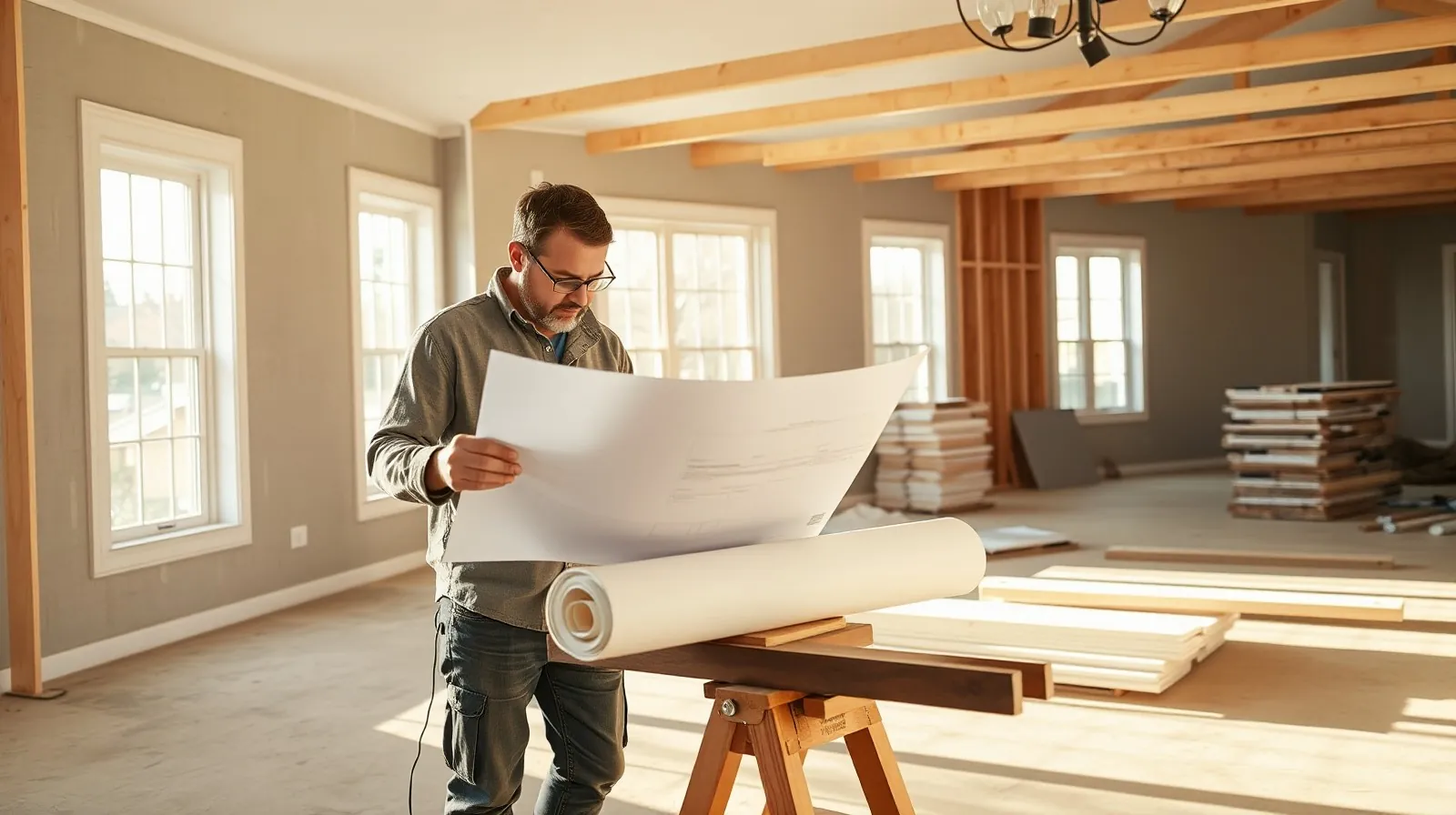
A fix and flip loan is a short-term, interest-only business loan that pays for a property purchase and its renovation. You repay it when you sell the finished property or refinance it. Private and hard money lenders offer these loans because they lend against the deal, meaning the property and its after-repair value, rather than against a borrower's pay stubs.
This guide covers how the loan is sized, what it costs, what you need to apply, how renovation money reaches you, and what happens at the end.
Key takeaways
- A fix and flip loan funds the purchase and the rehab, then gets repaid from a sale or refinance, typically within 6 to 18 months.
- Lenders size the loan on two numbers: the share of total project cost (loan-to-cost) and the share of after-repair value (ARV). The lower result usually wins.
- Market pricing ran 9% to 12% with 1 to 3 points in mid-2026 (Crestmont Capital, June 11, 2026). Your actual terms depend on the deal and your experience.
- Rehab money comes in draws after work is verified, so you front some costs and wait for reimbursement.
- The exit decides the deal. Know how the loan gets paid off before you sign.
How a fix and flip loan works
The structure is simple, and it is the same at most private lenders:
- You find a deal and write the plan. That means a purchase contract, a scope of work and a rehab budget.
- The lender underwrites the project. It looks at the property, the numbers, your plan and your track record, and typically orders an appraisal with an as-is value and an after-repair value.
- The loan closes. The lender funds the purchase portion. The renovation portion is held back.
- Renovation funds are released in draws. You complete work, the lender verifies it, and money is released for that stage.
- You exit. You sell, or refinance into longer-term financing, and the loan is paid off.
Payments are normally interest-only, with the principal due at the end as a balloon. Some programs charge interest only on the money disbursed so far, not on the full commitment. That is called non-Dutch interest, and it lowers your carrying cost early in the project. Our guide to Dutch vs non-Dutch interest shows the math.
How lenders size the loan
Two ratios control how much you can borrow.
- Loan-to-cost (LTC): the loan as a share of purchase price plus rehab budget.
- Loan-to-ARV: the loan as a share of the value after the work is done.
Most programs apply both and lend the lesser. Market caps on ARV ran 70% to 75% in mid-2026 (Crestmont Capital, June 11, 2026). RBI's fix and flip program publishes higher cost-based leverage, up to 95% LTC or 75% of ARV for qualified, experienced investors, always subject to underwriting. First-time investors are offered lower leverage.
A worked example
Purchase price 50,000. Rehab budget 0,000. Total cost 10,000. Expected ARV 00,000.
The numbers are illustrative, not a quote. The point is that the cost test and the ARV test can land close together, and a lower appraisal pulls the ARV test down fast. If the appraiser says $380,000, 70% of ARV falls to $266,000, and you cover the difference. Our guide to calculating ARV shows how to build a number that holds up.
What a fix and flip loan costs
Interest is only one line. Budget for all of these:
Ask each lender for a full fee sheet and compare total cost, not just the headline rate. Prepayment terms matter too: if you sell early, a lender with no prepayment penalty saves you money. The full breakdown is in our guide to fix and flip loan costs.
What lenders ask for
Expect to provide:
- A completed application and a credit authorization
- Government ID and, if you borrow through an entity, the entity documents
- Recent bank statements showing cash for the down payment, closing costs and reserves
- The purchase contract
- A scope of work and rehab budget, with plans where permits require them
- A track record sheet listing past projects (first-timers explain their plan and team instead)
- Contractor details and proof of insurance
Credit matters, but a flip loan leans harder on the deal. A strong property, a realistic budget and cash reserves can outweigh a modest score. A weak plan will sink an application with a perfect score. If you are new to flipping, start with our first-time house flipper loan guide.
Which properties qualify
Flip lenders generally finance one-to-four-unit homes, townhouses, condos and small multifamily properties. Specific property types and condition limits vary, and unusual assets are reviewed case by case. Properties in poor condition that a bank would turn down are common flip targets, because the loan is sized on the finished value and the plan.
Fix and flip loans are for business purposes only. You cannot use one to buy a home you plan to live in.
How draws work
Most investors are surprised by this part. The lender does not hand over the whole rehab budget at closing. Instead:
- You pay for a phase of work, such as demolition or rough plumbing.
- You request a draw.
- The lender inspects or verifies the work.
- The lender releases funds for that phase, minus any holdback.
You need working cash to keep contractors moving between draws. Ask the lender how long a draw takes and who inspects. Slow draws mean slow contractors, and slow contractors mean extra months of interest.
The numbers behind a flip
A loan only helps if the deal works. ATTOM reported that the typical home flip in Q2 2026 earned a gross profit of $60,526, a 21.5% margin, and took 161 days from purchase to resale (ATTOM, October 1, 2026). Margins had fallen from the prior quarter. That leaves less room for a bad budget.
Run a stress test before you apply: take your ARV down 5%, push the rehab 10% over, and add two months. If the profit survives, the deal has a cushion. The 70 percent rule is a fast screen, but a full cost sheet is better.
Exit strategies
You have three common ways out:
- Sell. The default. Your sale proceeds pay off the loan.
- Refinance and hold. Convert the flip into a rental with a longer-term loan, once the property is stabilized and rented.
- Extend. If the sale is slow, some lenders will extend for a fee. Never assume this. Ask before closing.
Pick the exit first. If the numbers only work if everything goes right, the deal is not ready.
Choosing a lender
Compare lenders on the things that decide how the project runs:
- Total cost: points, fees and interest method
- Leverage: loan-to-cost and loan-to-ARV, and how the lender calculates each
- Draw process: speed, inspection method, fees
- Speed and certainty to close
- Whether you talk to one person who knows your file
- Prepayment and extension terms
Avoid the common slip-ups covered in our guide to fix and flip financing mistakes.
Get your terms
We are a direct lender using our own capital, and a dedicated loan officer reviews your deal. Fix and flip loans at RBI are interest-only with no prepayment penalty, and closings often happen within 10 to 15 days once documents are in order. Review the fix and flip loan program, then send your purchase price, rehab budget and ARV estimate to get your terms.
FAQ
What is a fix and flip loan?
A short-term, interest-only business loan that funds the purchase and renovation of an investment property, repaid when you sell or refinance. The property secures the loan.
How long does a fix and flip loan last?
Terms of 6 to 18 months are typical in the market. Plan your timeline with a cushion past your scheduled finish date.
Can a first-time flipper get a fix and flip loan?
Many private lenders work with newer investors, usually at lower leverage and with more scrutiny on the budget, contractor and plan. A written scope and a realistic exit matter more than a long resume.
What happens if the house does not sell before the loan matures?
You can sell at a lower price, refinance into a rental loan or other longer-term loan, or ask the lender about an extension. Extensions are at the lender's discretion and often cost money, so ask about them before you close.
Can I borrow through an LLC?
Yes. Most investors borrow through an entity, and lenders will ask for the entity documents. A personal guarantee is common.
Do I get the full rehab budget at closing?
Usually not. Purchase funds go out at closing and renovation funds are released in draws as work is completed and verified.
Sources
- Crestmont Capital, Hard Money Loan Rates 2026 (June 11, 2026)
- ATTOM Q2 2026 Home Flipping Report (October 1, 2026)
This is not an offer for extension of credit nor a commitment to lend. Programs, rates, terms and conditions are subject to change without notice. Certain restrictions may apply. All approvals are subject to underwriting guidelines. Not all applicants will qualify. Examples are illustrations only. RBI Private Lending LLC, NMLS #2609886. Business-purpose loans only.
Ready to see your options?
Explore RBI's lending programs and find financing built around your next deal.