
 LIVE RATES
House Flipping Florida 2026: Costs, Markets, Margins
House flipping Florida 2026: national flip margins, Florida price and supply data, hidden state costs, and two worked deals showing what a flip needs to earn.
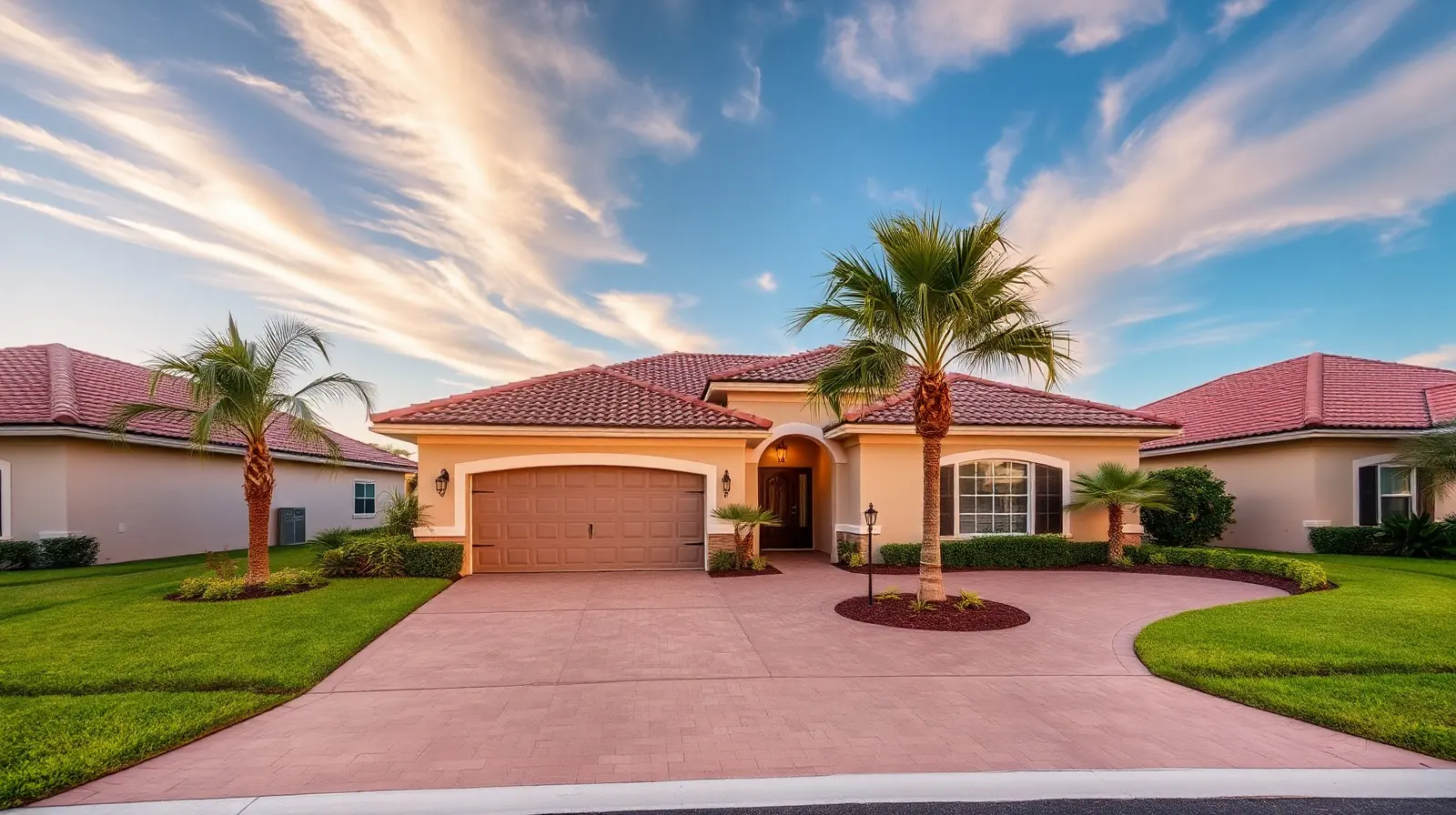
House flipping Florida style means high prices, fast-moving single-family markets, slower condo markets and costs that investors in other states never see. Flip profits are falling nationally, so Florida investors need sharper numbers than ever before they buy.
This guide combines national flip data from ATTOM with Florida Realtors price and supply data, then walks through a Florida flip with real math. We lend from offices in Aventura and Orlando, so we see these deals from the lender's side.
Key takeaways
- Nationally, the typical flip returned a 21.5% margin and took 161 days in Q2 2026 (ATTOM, October 1, 2026). Margins fell from the prior quarter in 67.7% of 186 metros.
- Florida's single-family median price was $631,903 in Q3 2026, up 8.7% from a year earlier, with 4.4 months of supply (Florida Realtors).
- Florida condos had 7.7 months of supply in September 2026, so condo flips need a longer hold plan.
- Insurance, flood zone, roof age and permit timing can decide a Florida deal. Check them before you offer.
- Financing is a big line item. Test every deal at higher rates and a longer hold.
House flipping Florida: what the 2026 numbers show
Start with the national picture. ATTOM's Q2 2026 Home Flipping Report counted 77,991 single-family homes and condos flipped, 6.2% of all home sales. The typical gross profit was $60,526, the typical margin was 21.5%, and the typical flip took 161 days (ATTOM, published October 1, 2026). ATTOM called the trend a "gradual two-year decline" in profits. ATTOM's Q2 text did not name a Florida metro, so we do not quote a Florida flip margin here. Check ATTOM's latest report for metro detail.
Now the Florida market that sits behind those flips. According to Florida Realtors:
What it means for flippers:
- Single-family is tighter. Four months of supply and 47 days to sale favor a flip that finishes on time with a clean, move-in-ready finish.
- Condos are slower. At 7.7 months of supply, buyers have choices. Plan a longer hold and price competitively.
- High prices cut both ways. A high ARV supports bigger profit dollars, but the purchase price and the carry are bigger too.
Florida flip costs most guides leave out
Financing, rehab and selling costs show up in every state. These Florida items need extra attention.
- Insurance. Get quotes before you buy. Premiums influence what buyers can afford, and a property that is hard to insure is hard to sell.
- Flood zone and elevation. Check the FEMA flood map and any elevation requirements for substantial work.
- Roof, electrical and plumbing age. Older systems may affect insurability and inspection results.
- Permits. Permit timelines vary by county and city. A slow permit adds interest and carry.
- State taxes on the loan. Documentary stamp and intangible taxes apply to a Florida note. Ask your title agent for the figure.
- Condo rules. Reserves, special assessments, rental limits and lender restrictions can limit your buyer pool. Request the condo documents before you commit.
- Hurricane season timing. Delays and rising material costs after a storm can stretch the rehab. Build contingency.
We have not sourced current figures for insurance, flood or condo reserve laws for this article. Get current quotes and read the building documents for each deal.
Worked example: a Central Florida flip
Here is an illustration. Numbers are examples, not a prediction for any market.
- Purchase: $380,000
- Rehab: $70,000
- ARV: $520,000
- Loan: 90% of purchase plus 100% of rehab ($342,000 + $70,000 = $412,000)
- Assumed pricing: 11%, 2 points, non-Dutch interest, with four equal rehab draws released at the start of months two through five
- Hold: 161 days (the ATTOM typical)
This flip loses money. The 70 percent rule says the maximum offer is ($520,000 x 70%) - $70,000 = $294,000. At $380,000 the investor paid $86,000 over it.
Now try a better buy: $310,000 purchase, same rehab and ARV.
That works, about 13.7% on total cost, but it is below ATTOM's national typical of 21.5%. The lesson: the price you pay decides the flip. Read our deep dive on the 70 percent rule and on how to calculate ARV.
Where Florida investors look: Orlando, Miami-Dade and beyond
We have not pulled fresh metro-level price data, so confirm numbers with your local Realtor board before you underwrite a specific area. These are the factors we see investors weigh.
Orlando and Central Florida. Lower entry prices than Miami-Dade and a large pool of single-family inventory. Investors look at older ranch homes in established neighborhoods, where a cosmetic and systems rehab can lift ARV. Watch roof age, insurance and builder-grade finishes buyers expect.
Miami-Dade and South Florida. Higher prices and deeper buyer demand, with a mix of single-family, townhomes and condos. Condo flips here involve building rules and reserve questions, so review documents first. Waterfront and flood zones add risk and reward.
Tampa Bay and other coastal markets. Storm exposure and insurance are central. Price your deal on the actual insurance quote.
Whichever market you pick, build the deal from comps within the same neighborhood, not county medians.
Rates and financing: what to expect in 2026
Private lender pricing sits above conventional mortgage rates and has not eased. Crestmont Capital's June 11, 2026 survey found residential flip loans at roughly 9% to 12% with 1 to 3 points. That is a market range, not RBI pricing. Test every deal at a higher rate and a longer hold than you expect.
Every flip loan has its own cost structure. Our guide to fix and flip loan costs breaks the lines down.
A short Florida flip checklist
- Closed comps of renovated homes within the same neighborhood
- Insurance quote and flood zone confirmed before offer
- Roof and systems inspected
- Permit timeline checked with the city or county
- Condo documents reviewed, if a condo
- Financing priced at your real hold time, plus 60 days
- Exit plan: sale, plus a backup such as a rental refinance
FAQ
Is house flipping profitable in Florida in 2026?
It can be, but margins are tighter. Nationally, the typical flip earned a 21.5% margin in Q2 2026 (ATTOM, October 1, 2026). In Florida, purchase price, insurance and carrying cost decide the result.
How long does it take to flip a house in Florida?
ATTOM's national typical was 161 days from purchase to resale in Q2 2026. Florida single-family homes sold in 47 days on average in Q3 2026 (Florida Realtors), but permits and rehab scope drive your timeline.
Are condos good for flipping in Florida?
They are riskier. Condo supply was 7.7 months in September 2026 versus 4.4 months for single-family, and building rules and assessments affect buyers. Use a longer hold plan.
Can foreign nationals flip houses in Florida?
Yes, many do. RBI welcomes domestic and international borrowers, subject to underwriting and documentation. Talk to your attorney and CPA about entity and tax questions.
How much cash do I need to flip a house in Florida?
It depends on the price and leverage. In our $310,000 example, expect a down payment, closing costs and early carry. Get your terms for a number on your deal.
Get your terms
RBI is a direct lender using our own capital, with offices in Aventura and Orlando and a real loan officer on every deal. Tell us the property, the rehab and your plan, and get your terms. Explore our fix and flip loans or check the RBI FAQs. For a lender's overview, see the ultimate guide to fix and flip loans.
Sources
- ATTOM Q2 2026 Home Flipping Report (October 1, 2026)
- Florida Realtors, Q3 2026 single-family summary (October 2026)
- Florida Realtors, September 2026 single-family summary (October 2026)
- Florida Realtors, September 2026 condo summary (October 2026)
- Crestmont Capital, Hard Money Loan Rates 2026 (June 11, 2026)
This is not an offer for extension of credit nor a commitment to lend. Programs, rates, terms and conditions are subject to change without notice. Certain restrictions may apply. All approvals are subject to underwriting guidelines. Not all applicants will qualify. Examples are illustrations only. RBI Private Lending LLC, NMLS #2609886. Business-purpose loans only.
Ready to see your options?
Explore RBI's lending programs and find financing built around your next deal.