
 LIVE RATES
Construction Loans for Builders: How They Work and Scale
Construction loans for builders explained: how draws, leverage and private capital let you build more homes at once, what lenders check, and how to start.
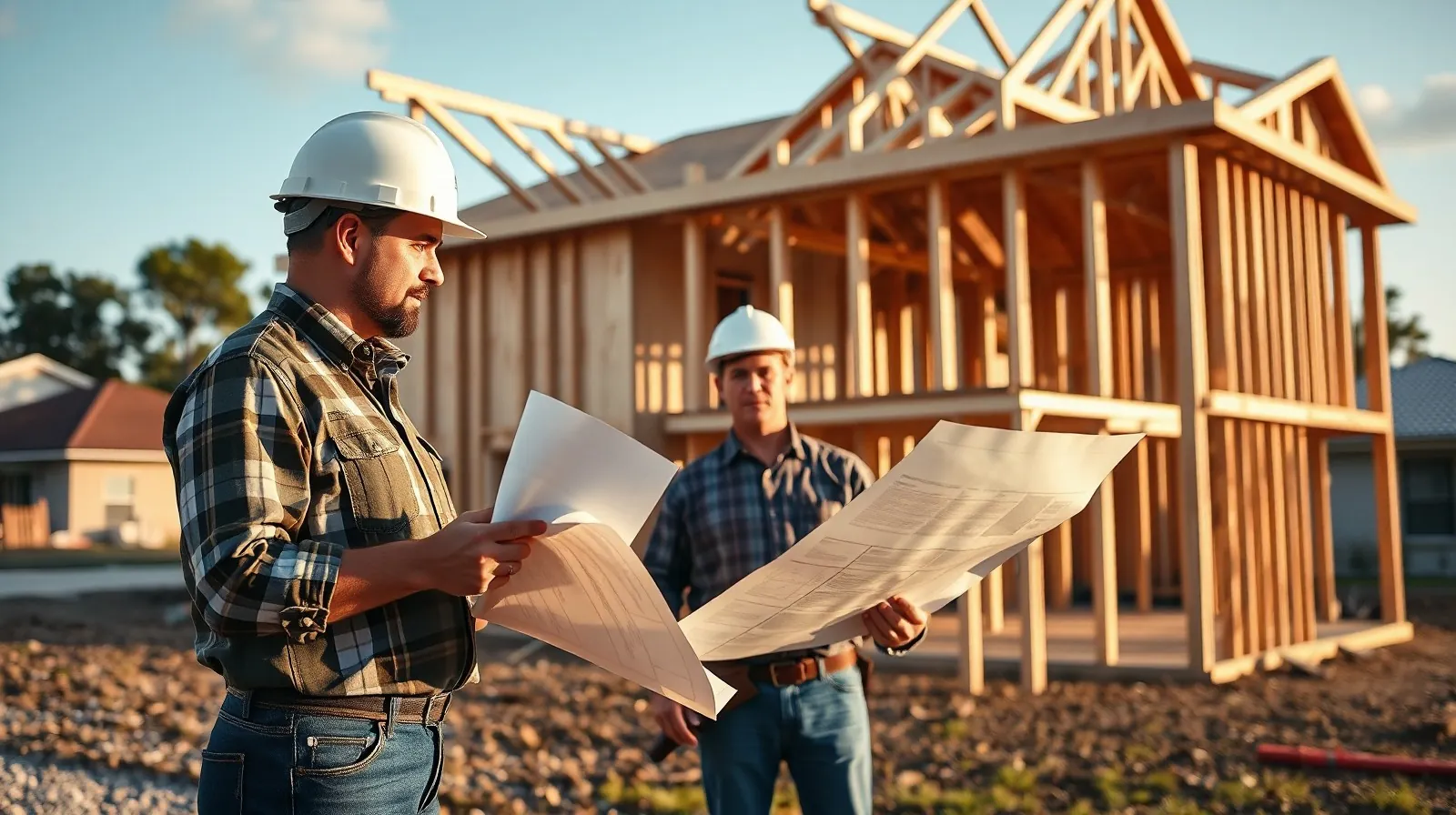
Construction loans for builders give you the capital to start more projects without tying up all your cash in one house. The lender holds a construction budget and releases it in draws as the work gets done, and you pay interest on what has been advanced. Done well, that lets you run two or three builds on the money one cash build would eat.
This guide covers how the loans work, why builders use private capital, what a lender checks, and how to keep a project from stalling on funding.
Key takeaways
- A construction loan funds land and build costs in stages (draws), so you only pay interest on money already advanced.
- Leverage lets you spread the same cash across more projects, but it adds interest, fees and risk. Run the numbers before you lean on it.
- Private lenders underwrite the project, the budget and your track record. Speed and flexibility are the main reasons builders use them over a bank.
- Plan for your own cash in every deal. Market ground-up loans ran 65% to 75% of cost in mid-2026, and some private lenders go higher for experienced builders.
- Draws are where projects slow down. Clean budgets, photos and paperwork keep money moving.
How do construction loans for builders work?
A construction loan is short-term financing for building or substantially rebuilding a property. It is not a regular mortgage, and it differs in a few important ways:
- Funds arrive in stages. The budget is divided into line items (site work, framing, mechanicals, finishes). Money is released as each stage is completed and verified.
- Payments are usually interest-only. You pay interest on the amount drawn, not on the full commitment. Your carrying cost starts small and grows as you build.
- The term fits the build. Private construction loans commonly run 12 to 24 months.
- There is a balloon at the end. You repay the balance by selling the home, or by refinancing into longer-term financing.
- The project is the collateral. The lender looks at the land, the plans, the budget and what the finished property should be worth.
Property types vary by lender. RBI's construction program covers single-family homes, townhouses, small multifamily and other property types on a case-by-case basis. For the full list of what a lender needs to see, read our guide to ground-up construction loan requirements.
Why do builders use leverage?
Cash is the limit for most builders. You have a crew, a trade network and land options, but you can only start as many houses as you can fund. Leverage removes that ceiling, up to a point.
Here is a simple illustration. These are example numbers only.
Each home earns less once you pay for the loan. But your cash is working on two projects instead of one, and your crew stays busy. The same math runs the other way if a sale slips, costs climb or the market softens. Interest keeps accruing while you wait, and more projects mean more exposure. That is why you should test every build at a lower sale price and a longer timeline.
For more on guarding the budget side, read our post on spec home construction budget overruns.
Why a private lender instead of a bank?
Banks do construction lending, but builders often run into three problems. Income can look uneven on paper. Underwriting can take weeks. And approvals can hinge on rules that ignore a strong project. Private lenders are built around the asset and the deal.
The cost is real. According to Crestmont Capital (June 11, 2026), market hard-money ground-up construction loans ran roughly 11% to 15% with 2 to 4 points, up to 65% to 75% of cost over 12 to 24 months. Those are market figures from a lender-published source, not RBI's. A direct lender can price based on your track record and the project, so the way to know your cost is to request terms on your specific deal.
Speed matters because the competition for lots, subcontractors and materials does not wait. A project that starts a month late carries a month more of land costs and market risk. The U.S. Census Bureau reported September 2026 single-family housing starts at a seasonally adjusted annual rate of 859,000, down 4.6% from August, and single-family authorizations at 845,000 (release of October 20, 2026). Builders in a slower market feel carrying cost more, which is one more reason to plan the financing before you bid on land.
What does a lender check?
Expect the lender to ask for the same things a careful investor would want to see before spending money.
- Your track record. Completed projects, with addresses, costs and results. First-time developers can qualify, usually at lower leverage. If you are building one, our post on building a real estate investing track record helps.
- The budget and scope. Line-item costs, a realistic contingency and a schedule.
- The plans and permits. Approved plans, or a clear path to them.
- The contractor. License, insurance and experience, whether that is you or a third party.
- The land. Ownership or a purchase contract, plus title and survey details.
- Your entity and liquidity. Entity documents and a recent bank statement, so the lender knows you can cover your share and cost overruns.
- The exit. How you will repay: sale, refinance or hold. If you plan to rent after construction, see how a construction loan hands off to a DSCR rental loan.
Buying the lot too? Many builders finance land and construction together. We cover that in how to finance land and build.
How are construction draws managed?
Draws are the part of a construction loan you will live with every month, so it pays to understand them early.
- You complete a phase of work using your own cash, or funds already advanced.
- You submit a draw request with the line items finished.
- The lender verifies progress, often with an inspection or photos.
- Funds are released against the approved line items.
- The balance remaining in the budget is updated.
Most delays come from the same causes: unclear line items, requests for work that is not finished, missing lien waivers and sub invoices that do not match the budget. Fix those and your funding runs smoothly. A separate guide breaks down how a construction loan draw schedule works, including inspections and retainage.
Digital tools help. RBI's Draws Client Portal lets borrowers submit draw requests, track each budget line, review draw history and see updates in one place, instead of chasing status by email and phone.
Tips to keep a project funded
- Budget for surprises. Keep a contingency line and update it as costs move.
- Keep payment records. Save every receipt so draw requests tie out.
- Talk to the lender early. Tell your loan officer about permit delays or change orders before they hit a draw.
- Do not start the next build on the last build's draw. Keep each project's money separate.
- Plan the exit before you break ground. Know whether you will sell, refinance or rent.
Get your terms
We are a direct lender using our own capital, and a real loan officer reviews your project and your track record. Our construction loan program is built for first-time and experienced builders, with funds released in draws as the work is completed. Loan amounts, leverage and pricing are set at underwriting. Send us your budget, plans and land details and get your terms.
Frequently asked questions
What is the best type of loan for a builder?
For ground-up work, a construction loan built around draws is usually the best fit. You get funds in stages as each phase is finished, you pay interest on what has been advanced, and the term matches the build. A private lender adds speed and asset-based underwriting.
Can I be my own general contractor on a construction loan?
Often yes, if you have a track record of completed projects. Expect the lender to review your experience, your budget and your subcontractor details just as it would for a third-party builder.
Is it hard for a builder to get a construction loan?
Banks can be slow with variable, project-based income. A private lender focuses more on the project, your track record and the numbers, so it can be easier to qualify. Approval is never guaranteed and is subject to underwriting.
How do construction draws work?
The lender holds back the construction budget and releases it in installments. You submit a draw request for completed work, the lender verifies progress, and funds are released against the budget line items.
Do I need to put money into the project?
Yes. Lenders fund up to a percentage of cost or completed value, so you cover the rest in cash, land equity or work already finished. The percentage depends on experience and the deal.
Sources
- U.S. Census Bureau, New Residential Construction (September 2026 data, released October 20, 2026)
- Crestmont Capital, Hard Money Loan Rates 2026 (June 11, 2026)
This is not an offer for extension of credit nor a commitment to lend. Programs, rates, terms and conditions are subject to change without notice. Certain restrictions may apply. All approvals are subject to underwriting guidelines. Not all applicants will qualify. Examples are illustrations only. RBI Private Lending LLC, NMLS #2609886. Business-purpose loans only.
Ready to see your options?
Explore RBI's lending programs and find financing built around your next deal.