
 LIVE RATES
Construction to Permanent Loan: Exit Into a DSCR Loan
A construction to permanent loan path for investors: build with short-term capital, then refinance into a DSCR rental loan. See the exit math at 2026 rates.
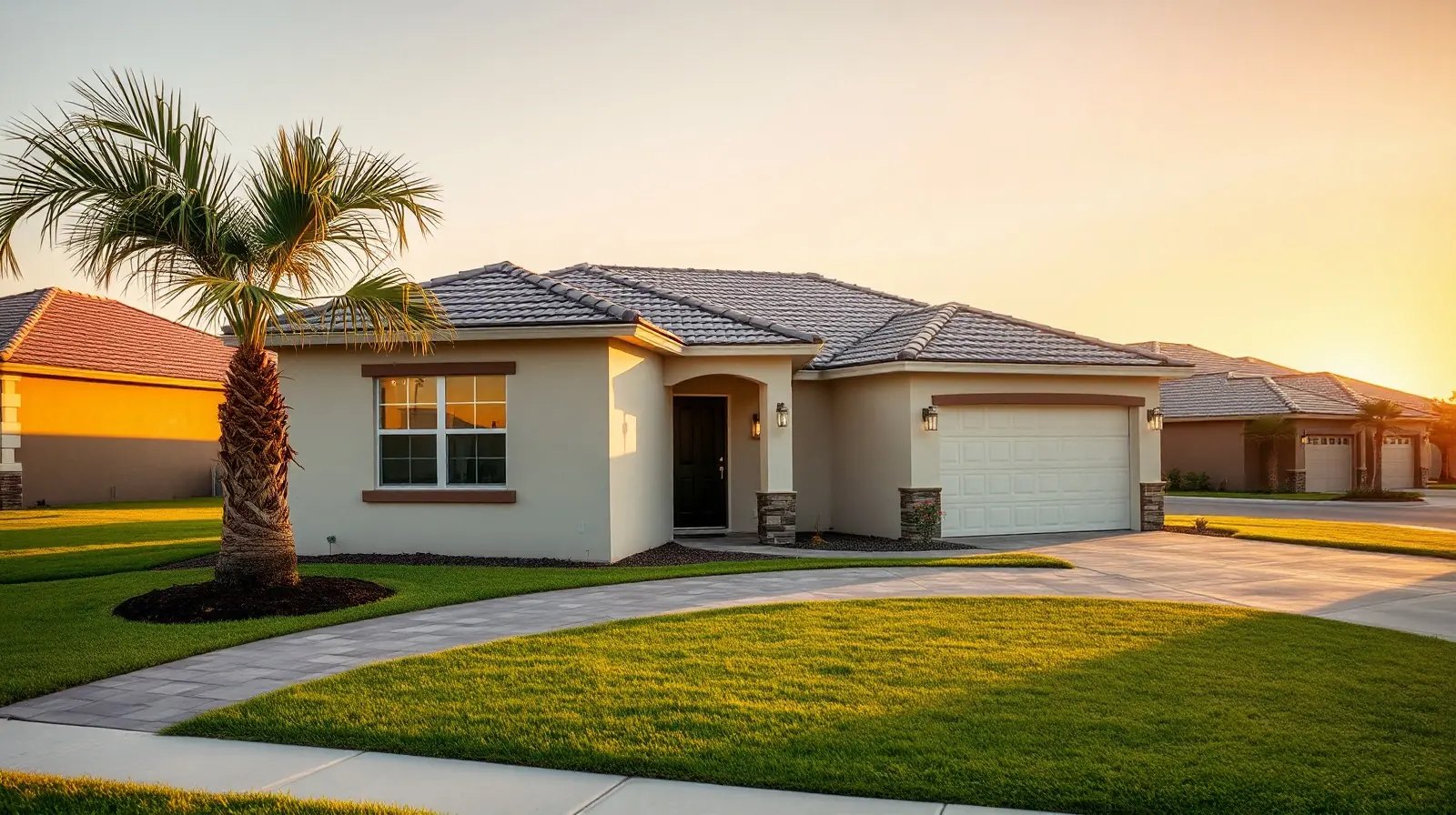
A construction to permanent loan sounds like one product. For investors it is really a plan: build with short-term capital, then refinance into long-term financing that fits a rental. The fastest version of that plan pairs a construction loan with a DSCR loan, from lenders that offer both.
This post shows the path, the numbers at 2026 rates, and the questions to answer before you break ground.
Key takeaways
- Build to rent has two loans: a short-term construction loan, then a long-term takeout.
- DSCR takeouts qualify the property's rent, not your personal income.
- At about 7% rates, a rental with a thin margin can fail the refinance. Run the math before you build.
- Plan an exit B. A sale is the fallback if rent or value misses.
- One lender for both loans means fewer handoffs and one team that knows the deal.
How a construction to permanent loan works
The idea is simple.
- Phase 1: Build. A construction loan buys the lot (if needed) and funds the build in draws. You pay interest on funds drawn.
- Phase 2: Stabilize. The home is finished, receives its certificate of occupancy and is leased.
- Phase 3: Takeout. A long-term loan pays off the construction loan. You keep the property and collect rent.
Banks often package this as a single-close loan. Private lenders for investors do it in two steps, because the two phases have different risks and different underwriting. Phase 1 is about the budget and the builder. Phase 3 is about the rent.
The trade-off: with two loans, you carry the refinance risk. If rates jump or rent comes in low, the takeout can come in smaller than you planned. That is why the exit math matters before you start.
Why pair a construction loan with a DSCR loan
A DSCR (debt service coverage ratio) loan qualifies the property by its income. You do not need to show W-2s or tax returns to prove the deal works. Learn more in our DSCR rental loan overview.
RBI's definition is DSCR = gross rent divided by PITIA, which is principal, interest, taxes, insurance and association dues. Above 1.0 means rent covers the payment. Different lenders define the ratio differently, so always ask which version applies.
For a build-to-rent investor, a DSCR takeout has clear benefits:
- Fits your exit. You are keeping the asset, so you want a long-term fixed or adjustable rate.
- No personal income documents. Qualification is based on the property.
- Same company on both ends. The lender that knows the construction file already has the budget, the plans and the draw history.
The exit math at 2026 rates
Rates matter. The Freddie Mac 30-year average was 7.18% as of November 5, 2026, up from 6.22% a year earlier. DSCR lenders quoted roughly 6.0% to 8.0% in spring 2026, with a typical clean file near 6.75%, according to Ridge Street Capital and COR Advisors. Those are Q2 2026 numbers and the Fed has hiked since, so expect upward drift. Treat them as market ranges, not RBI pricing.
Worked example
Here is an illustrative build-to-rent project.
Does the rent cover the payment? Compare three rate cases on a 30-year fixed:
The deal works at every rate shown, but the margin shrinks as rates rise. Now stress-test the rent. If rent comes in at $3,000 instead of $3,200 and the rate is 7.0%, DSCR drops to 0.99. Many DSCR programs accept a ratio below 1.0, subject to underwriting, but the pricing and leverage will be tougher.
The lesson: build in a cushion. Price the project so the DSCR works at a rate one point higher than today's.
Check your rent assumption
Rent is half the equation. Apartment List reported a national median of $1,388 in September 2026, down 0.1% from August, with the vacancy index at 7.0%. Rents are flat in many markets and multifamily supply is heavy. A new single-family rental in a Sun Belt suburb still has to compete.
Before you break ground:
- Pull three recent leased comps for the same bed/bath count and finish level.
- Ask a local property manager what your house would rent for, and how fast.
- Use the lower number in your DSCR math.
Your checklist before you build to rent
- Run the DSCR at a higher rate. Add one full point to today's rate.
- Check the loan-to-value on completion. The appraisal decides your takeout size.
- Confirm your timeline. Construction terms of 12 to 24 months leave room, but permits and weather can use it up.
- Plan for lease-up. Vacancy while you find a tenant is a cost.
- Keep a Plan B. If the refinance does not work, a sale or a longer bridge should be on the table.
- Ask about prepayment. Terms differ by program, so get them in writing.
- Talk to your attorney and CPA about entity structure and tax treatment.
Build, then refinance: what the lender needs
For the DSCR takeout, expect to provide:
- Certificate of occupancy or equivalent.
- Final appraisal with a market-rent estimate.
- A lease, or the appraiser's rent figure, depending on the program.
- Property insurance and a tax estimate.
- Entity documents and ID.
Because you worked with the same lender in phase 1, much of this is already in the file.
For more on how DSCR loans work, see RBI's guide to understanding DSCR loans. If you are still sorting out the construction side, read our post on construction financing and draw management, or visit the investor FAQ.
Build-to-rent vs. build-to-sell
Not every build should be kept. A spec build you plan to sell repays the construction loan at closing, with no takeout needed. A rental makes sense when:
- The DSCR works with room to spare.
- You want long-term cash flow and appreciation.
- Your capital is better deployed in the asset than elsewhere.
If you are not sure, model both exits before you close the construction loan. Having both options in your pocket is a real advantage.
Frequently asked questions
What is a construction to permanent loan?
It is a financing path where a short-term loan funds the build and a long-term loan replaces it once the property is finished. Some lenders do it in one closing. Others, including investor lenders, pair a construction loan with a separate takeout loan such as a DSCR rental loan.
What is a DSCR loan takeout?
A DSCR takeout is a refinance based on the property's rental income instead of your personal income. The new loan pays off the construction loan, and you move to long-term financing.
How does DSCR work on a new build?
DSCR compares the property's rent to its monthly housing payment. In RBI's definition, it is gross rent divided by principal, interest, taxes and insurance (PITIA). A result above 1.0 means rent covers the payment.
Do I need a lease to refinance a new build?
That depends on the program. Some DSCR loans use a signed lease, others use the appraiser's market-rent estimate. Ask your loan officer which applies to your deal.
What if the property does not appraise or rent as planned?
You have a gap. Build a plan B before you break ground: lower leverage, a longer term on the construction loan, or a sale exit. Stress-test the numbers at higher rates and lower rent.
Is a construction to permanent loan only for rentals?
No. A permanent loan is just the long-term piece. Investors who build to sell usually repay the construction loan from the sale. A takeout matters when you plan to keep the property.
Both ends of the build, one lender
RBI Private Lending is a direct lender using its own capital, with a construction loan on one end and a DSCR rental loan on the other. You work with a real loan officer who knows the project, and draws are released as the build progresses. Tell us the plan, and we will show you the path.
Get your terms, or explore our construction and DSCR rental programs.
This is not an offer for extension of credit nor a commitment to lend. Programs, rates, terms, and conditions subject to change without notice. Certain restrictions may apply. All approvals subject to underwriting guidelines. Not all applicants will qualify. RBI Private Lending LLC provides business-purpose loans only. NMLS #2609886.
Ready to see your options?
Explore RBI's lending programs and find financing built around your next deal.