
 LIVE RATES
Private Lenders for Wholesalers: How to Fund Deals
Private lenders for wholesalers: what they fund, why the end buyer's loan decides your deal, and how to line up financing before you assign or close a contract.
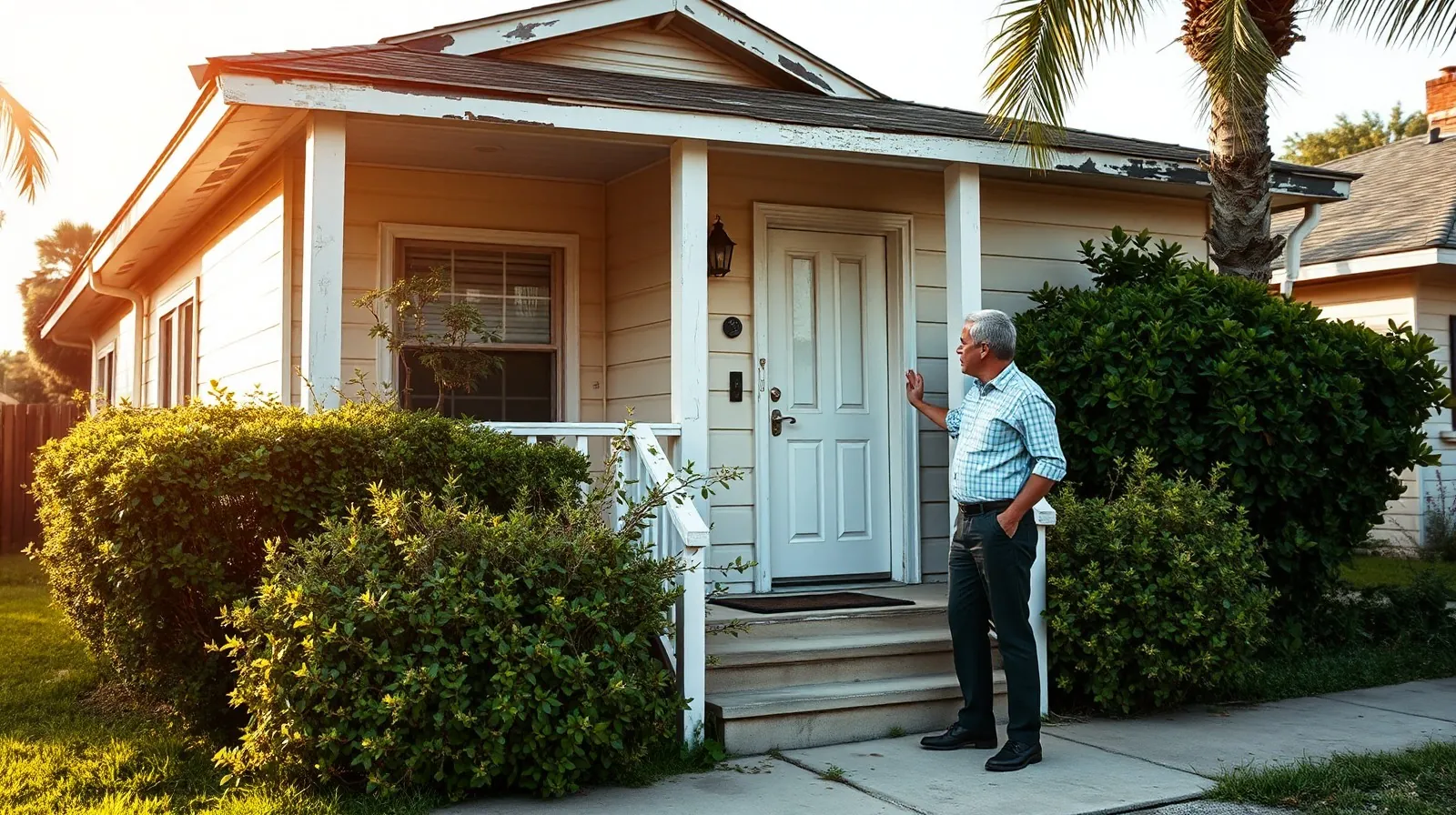
Private lenders for wholesalers matter for one reason: your buyer's financing decides whether your contract closes. A wholesaler ties up a property and sells the contract. If the end buyer cannot fund, you lose the fee, maybe your deposit, and sometimes the seller's trust.
Most private lenders fund the end buyer, not the wholesaler. That is the loan you can influence. Line up a lender before you market the deal, and your contracts become easier to sell, easier to close, and easier to repeat.
Key takeaways
- Wholesalers sell the right to buy a property. The end buyer, usually a flipper or landlord, needs the money to close.
- Private lenders fund investors based on the deal: price, repairs, value after repairs and the buyer's plan. Credit and income matter less than they do at a bank.
- A lender relationship gives you a faster answer for buyers, tighter timelines and fewer dead contracts.
- Funding a wholesaler's own purchase (a double close) is a different product from funding the end buyer. Ask whether a lender offers it.
- Know your state's wholesaling rules and get an attorney to review contracts.
What wholesalers do, in one paragraph
A wholesaler finds a property, often a distressed or off-market one, and signs a purchase contract with the owner, usually with a small earnest money deposit. The wholesaler then finds an investor to take over the deal. In an assignment, the wholesaler transfers the contract for a fee and the buyer closes with the seller. In a double close, the wholesaler buys the property and sells it to the end buyer in a second closing. The double close vs assignment guide shows how each path affects funding.
Why financing decides the deal
Wholesaling needs little cash to start, but it fails without a buyer who can close. Three things go wrong most often:
- The buyer assumed financing and cannot get it. The deal falls out of contract in the last week.
- The timeline is too short for a bank. Contracts often give 14 to 30 days to close. A conventional investor mortgage can take 30 to 60 days.
- The numbers do not fit the loan. The assignment price plus your fee is higher than a lender will fund against the appraised value.
A private lender solves the first two because it can move fast and fund against the deal. It helps you with the third because you can ask the lender to sanity-check the numbers before you commit.
What private lenders fund for your buyers
Wholesale buyers are usually one of three types, and each has a matching loan.
For most wholesale deals, the fix and flip loan is the one that matters. Private lenders typically fund a share of the purchase price and the renovation, release rehab money in draws, and charge interest-only. Market ranges in 2026 put hard money pricing around 8% to 15% with 1 to 4 points and leverage of 65% to 75% of value (Crestmont Capital, June 11, 2026). Lender programs differ. RBI publishes higher ceilings for experienced investors, subject to underwriting.
Your buyers should understand that the lender sizes the loan from its own appraisal. If your assignment price sits too close to the after-repair value, the loan will not cover the deal and the buyer needs cash. Investors usually work backward from the after-repair value to set a maximum price.
Why this matters more in a slimmer-margin market
The investors who buy your deals are not making what they did a few years ago. In Q2 2026, ATTOM reported a typical flip gross profit of $60,526 and a 21.5% margin. A typical flip took 161 days from purchase to resale. Profit margins fell from the prior quarter in 67.7% of the 186 metros ATTOM analyzed (ATTOM, October 1, 2026).
For you, that means buyers will look harder at price. A deal that leaves room after repairs, interest and fees sells. One that does not sits, and your contract clock runs out.
How to work with a private lender as a wholesaler
Before you market the deal
Talk to a lender about what they fund. Ask:
- Which property types, price ranges and states do you fund?
- How fast is a term sheet, and how fast can you close?
- Do you fund buyers who purchase by assignment?
- What do you need from the buyer to start?
- Do you offer anything for the wholesaler's own purchase, such as a double close?
When you have a deal
Give the lender a complete picture of the property: address, contract price, estimated repairs, comps and photos. A lender can often tell you in minutes whether a flip fits its program.
When you have a buyer
Send your buyer to the lender with the contract and the scope of work. A buyer who arrives with a clean file closes faster. The submission checklist lists what a lender wants, and it works for buyers as well as brokers.
At closing
Coordinate with the title company early. The title agent needs the assignment or double close documents, the lender's closing instructions and the settlement figures. Delays here are the most common reason an assigned deal slips past its deadline.
What a lender needs from your buyer
Expect the buyer to provide:
- Valid ID and entity documents if buying through an LLC
- Recent bank statements as proof of funds
- The purchase contract or assignment
- A scope of work and renovation budget
- A track record, if they have one
- Insurance details
First-time flippers can qualify with some lenders, often at lower leverage, so your pipeline does not have to be limited to experienced buyers. RBI has a First-Time Investor Program, and a loan officer reviews each file.
Mistakes wholesalers make with financing
- Treating the buyer's financing as their problem. If they cannot close, you do not get paid.
- Overpricing the assignment. A high price shrinks the buyer's margin and the loan size.
- Sending an incomplete file. Missing documents turn a 10-day close into a 30-day one.
- Promising rates or timelines you do not control. Tell buyers what the lender told you and that approval is subject to underwriting.
- Ignoring state law. Rules on assignments, disclosure and marketing vary. Pay an attorney to review your contract.
- Using one lender only. Keep a backup for a deal outside your main lender's range.
Working with RBI
RBI is a direct private lender. We fund real estate investors with fix and flip, bridge, construction and DSCR rental loans, and a loan officer reviews each file. We do not make personal loans. If you refer buyers to us, you can send them to a team that gives a term sheet in about 24 to 48 hours and often closes fix and flip loans in 10 to 15 days, depending on title, appraisal and documents. Our broker and partner page explains how referrals work. For how referral pay is generally structured, see how brokers earn on private loans.
If you want to fund your own purchase for a double close, ask us before you build the deal around it.
FAQ
Do wholesalers need a private lender?
Not always. A pure assignment can close with no loan to the wholesaler. But your buyers usually need one, and a lender who funds them quickly makes your contracts easier to sell.
Can you wholesale real estate with no money?
You can start with little cash, since you tie up a property with a contract and an earnest money deposit instead of buying it. You still need a buyer who can close, which is why financing for your end buyers matters.
Do private lenders fund the wholesaler or the end buyer?
Most private lenders fund the end buyer, who is the one buying and renovating the property. Funding a wholesaler's own purchase, such as a double close, is a separate product that not every lender offers. Ask the lender directly.
What do lenders need from a wholesale deal?
The executed contract or assignment, the buyer's entity and ID documents, a scope of work and budget for a flip, proof of funds and the buyer's track record.
How fast can a private lender close on a wholesale deal?
Timing depends on title, appraisal and how complete the file is. RBI's fix and flip loans often close in 10 to 15 days, which can fit many assignment timelines, but nothing is guaranteed.
Are there legal rules for wholesaling?
Yes, and they vary by state. Some states require disclosure that you are assigning a contract, and some regulate marketing a property you do not own. Ask a real estate attorney in your state.
Get your terms
We are a direct lender using our own capital, and a real loan officer reviews each deal. Send us the property, the contract price and the repair budget, and get your terms. You can also see our fix and flip loan program.
Sources
- ATTOM Q2 2026 Home Flipping Report (October 1, 2026)
- Crestmont Capital, Hard Money Loan Rates 2026 (June 11, 2026)
This is not an offer for extension of credit nor a commitment to lend. Programs, rates, terms and conditions are subject to change without notice. Certain restrictions may apply. All approvals are subject to underwriting guidelines. Not all applicants will qualify. Examples are illustrations only. This article is general education, not legal advice. RBI Private Lending LLC, NMLS #2609886. Business-purpose loans only.
Ready to see your options?
Explore RBI's lending programs and find financing built around your next deal.