
 LIVE RATES
How to Get a Loan to Flip a House: 5 Steps and Options
How to get a loan to flip a house: compare hard money, bank and home equity options, run your numbers, gather documents and apply in five steps.
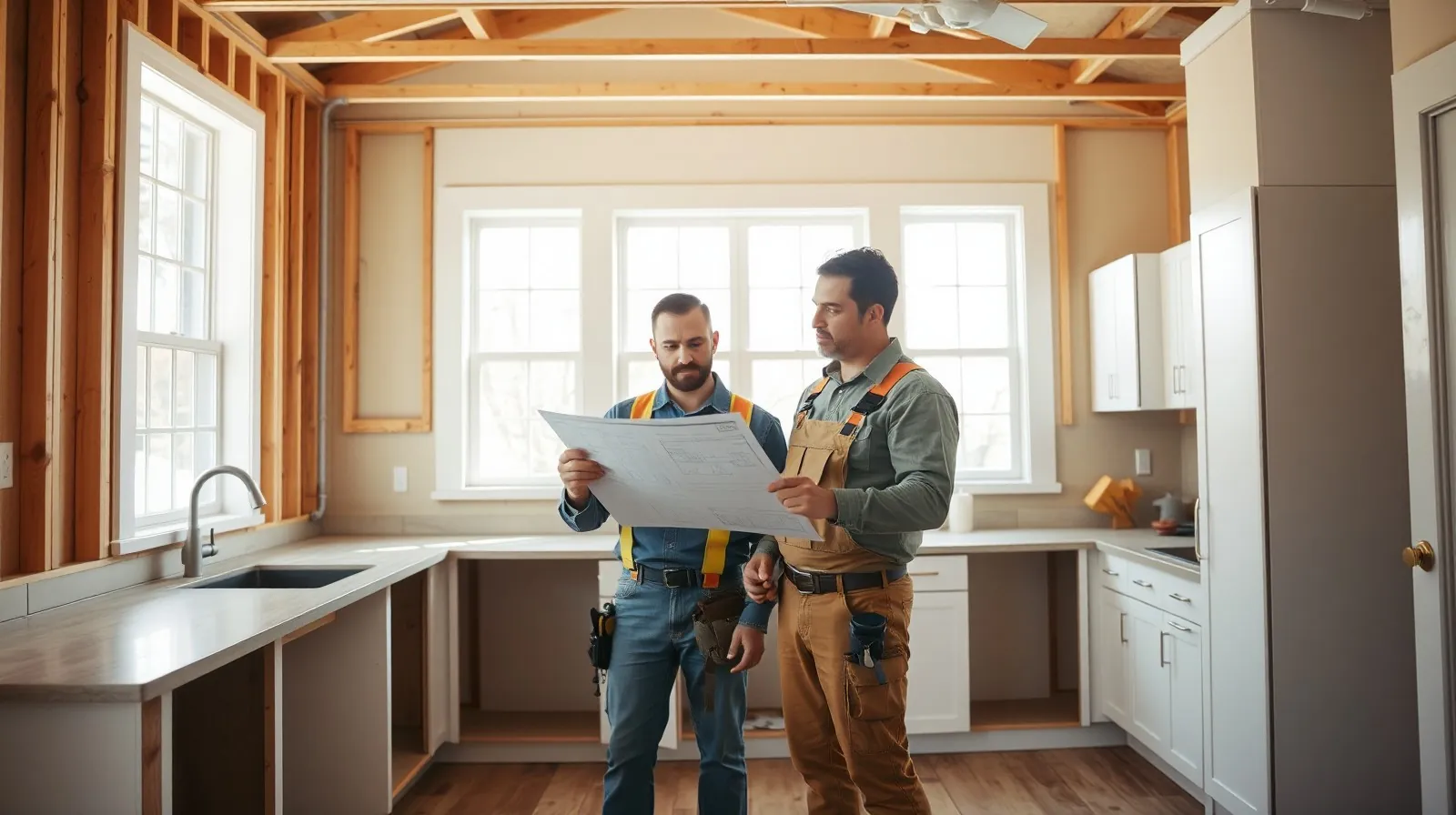
To get a loan to flip a house, run your numbers first, pick the right type of financing, assemble a clean application, and compare terms from more than one lender. For most flippers, that financing is a fix and flip loan from a private lender, because it covers purchase and renovation and closes fast.
This guide covers the options, the five steps, and the mistakes that cost new flippers the most.
Key takeaways
- Flipping is a business, not a TV show. ATTOM reported a typical Q2 2026 flip earned $60,526 gross, a 21.5% margin, over 161 days (ATTOM, October 1, 2026).
- A fix and flip loan from a private lender is the usual route: it funds purchase and rehab, approves on the deal and closes quickly.
- Banks cost less but are slower and stricter. Home equity borrowing puts your own home at risk.
- Expect to bring cash. Market caps run about 70% to 75% of ARV (Crestmont Capital, June 11, 2026).
- Prepare your numbers, budget, contractor, documents and exit before you apply.
Know what a flip actually earns
Margins have narrowed. ATTOM's Q2 2026 report put typical gross profit at $60,526 and margin at 21.5%, down from 27.6% a year earlier, with a typical hold of 161 days. Gross profit is before your own time, and before taxes. Financing costs and carry come out of that.
So the loan has to fit the deal, not the other way around. A lender's rate, points and timeline become line items in your profit estimate.
Your financing options
For a flip with a tight clock, a fix and flip loan is usually the best fit. Read how hard money loans work for the mechanics, or jump to our fix and flip loan program for how we structure it.
Step 1: Run the numbers
Your lender will. Do it first.
- ARV. What will it sell for after the work? Use closed comps. Our ARV guide shows the method.
- Purchase price. The 70 percent rule gives a quick ceiling: 70% of ARV minus repairs.
- Rehab budget. Line-item, with contractor bids and a contingency of 10% or more.
- Holding and selling costs. Interest, insurance, taxes, utilities, agent commission and closing costs.
- Profit. What is left, and is it worth the risk?
Here is an example. Purchase $250,000, rehab $55,000, ARV $380,000.
Test the same deal at an ARV 5% lower ($361,000) and profit drops to about $10,300 (selling costs shrink slightly with the price). A deal that fails at a small ARV miss is too thin.
Step 2: Pick the loan that fits
Decide how much leverage you need and how fast. A private fix and flip lender typically funds the lesser of a percentage of cost or a percentage of ARV, then releases the rehab portion in draws. Market ARV caps ran about 70% to 75% in mid-2026 (Crestmont Capital, June 11, 2026). RBI publishes higher ceilings for qualified, experienced investors, up to 95% of cost or 75% of ARV, whichever is less, subject to underwriting. First-time investors have a separate program with lower leverage.
Ask lenders about the full cost: rate, points, draw fees, extension cost and prepayment terms. Our guide on how to choose a hard money lender has 12 questions to bring.
Step 3: Gather your documents
Lenders vary, but most want:
- Government ID or passport
- Entity documents if you borrow through an LLC
- Recent bank statements
- Signed purchase contract
- Scope of work, budget and timeline
- Contractor bids and license information
- A track record of past projects, if any
- Insurance information before closing
Organized files move faster. The full list is in hard money loan requirements.
Step 4: Apply and compare terms
Get terms from two or three lenders. A quality lender can issue a term sheet in a day or two; ours is in 24 to 48 hours, subject to a complete file. Compare on total cost, not rate alone. Check how interest accrues, what a draw costs and how quickly it is funded, and what happens if the project runs long.
Step 5: Close, renovate, exit
After approval, the lender orders an appraisal and title. For fix and flip loans, RBI closings are often within 10 to 15 days, depending on title, appraisal and documents. Renovation money is released in draws as work is done. Keep to the budget, track the timeline and start your exit plan early: list as the work wraps up, and talk to the lender if you need an extension before the term ends.
If you have never flipped a house
New flippers can get funded. A few things help:
- Bring more cash. It lowers the lender's risk and sometimes improves terms.
- Use an experienced contractor. Your team stands in for your track record.
- Start with a modest project. A cosmetic rehab teaches more than a gut job.
- Budget conservatively. Add contingency and test your ARV low.
- Learn the numbers cold. Know your costs before the first call.
Read our first-time house flipper loan guide for what qualifies at lower leverage.
Mistakes that cost new flippers
- Treating ARV as a guess rather than a comp-based range
- Underestimating timeline, when a typical flip runs about five months
- Leaving out selling costs and carry
- Choosing a lender on rate alone
- Using home equity without a plan for a bad outcome
- Skipping an attorney or CPA review
Ready to run your deal
We are a direct lender using our own capital, and a real loan officer reviews your deal. Send us your purchase price, rehab budget and ARV estimate and get your terms. Rates, leverage and timelines vary by deal and are subject to underwriting.
FAQ
What is the easiest way to get a loan to flip a house?
For most investors, a fix and flip loan from a private lender. It is built for purchase plus renovation, approves on the deal and your plan, and closes in days to a couple of weeks rather than a bank's 30 to 45 days.
Can I flip a house with no money down?
Rarely. Even lenders that fund a high share of cost expect you to bring cash for the down payment, closing costs and reserves. Anyone promising 100% financing with no cash is a red flag.
Can I get a flip loan with no experience?
Yes, some lenders fund first-time flippers, usually at lower leverage and with more scrutiny on the budget, contractor and exit. See our first-time flipper guide for specifics.
Should I use a home equity loan to flip a house?
It is a risk worth weighing carefully. Your own home secures the debt, so a flip that goes wrong can put your home at risk. Talk to a financial advisor and attorney before using it.
How long does a flip take?
ATTOM reported a typical Q2 2026 flip took 161 days from purchase to resale. Plan the loan term, extensions and carry costs around that, with a cushion.
Sources
- ATTOM Q2 2026 Home Flipping Report (October 1, 2026)
- Crestmont Capital, Hard Money Loan Rates 2026 (June 11, 2026)
This is not an offer for extension of credit nor a commitment to lend. Programs, rates, terms and conditions are subject to change without notice. Certain restrictions may apply. All approvals are subject to underwriting guidelines. Not all applicants will qualify. Examples are illustrations only. RBI Private Lending LLC, NMLS #2609886. Business-purpose loans only.
Ready to see your options?
Explore RBI's lending programs and find financing built around your next deal.