
 LIVE RATES
Bridge Loan for Condo: Florida Non-Warrantable Units
A bridge loan for condo purchases in Florida: how non-warrantable status, SIRS and milestone rules affect financing, plus a carry-cost example and exit tips.
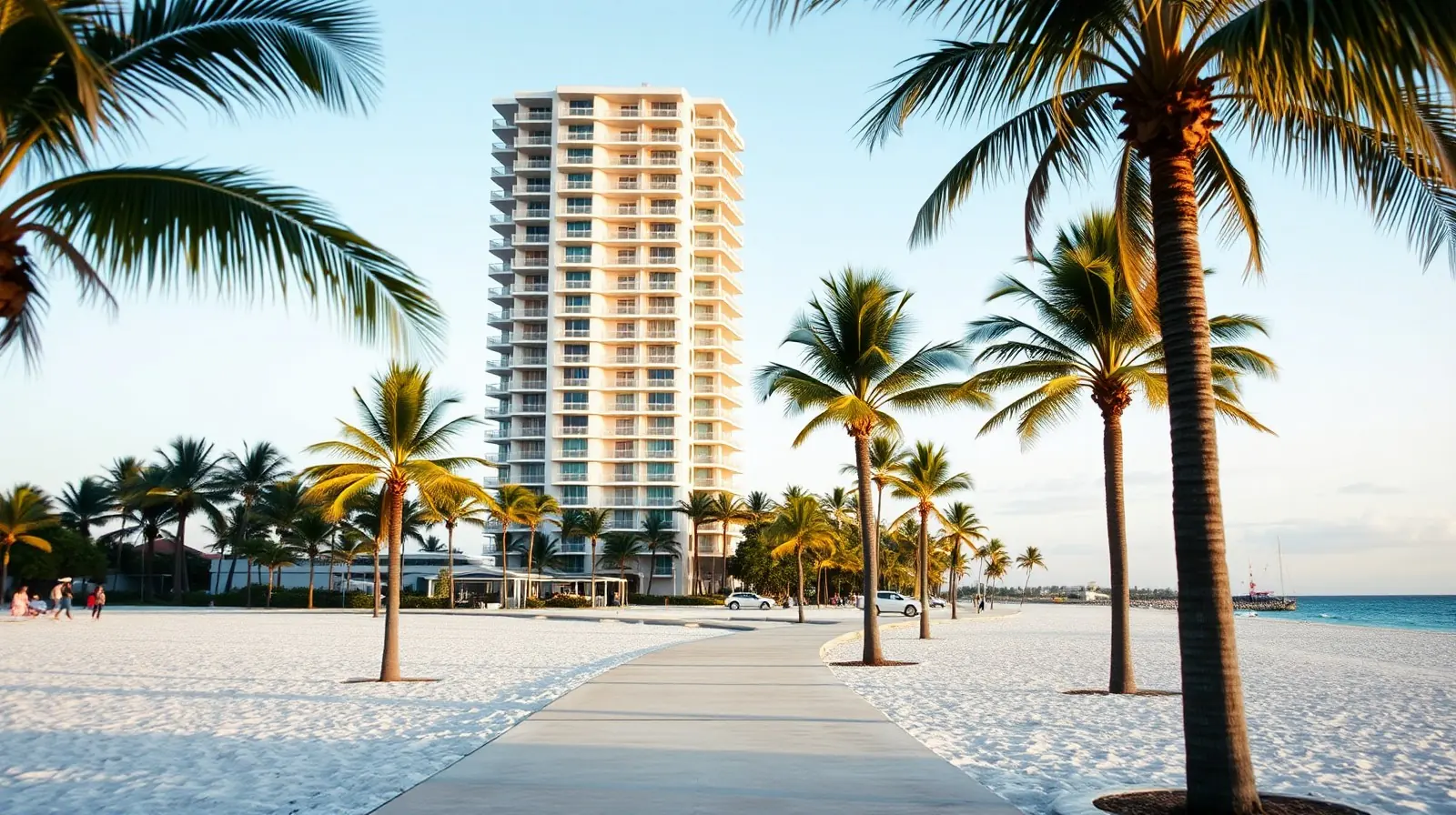
A bridge loan for condo purchases solves a problem many Florida investors know well. You find a unit at the right price. The building has issues that make a bank say no. The seller wants a quick close. A conventional loan is off the table, and the clock is running.
This guide explains what "non-warrantable" means, why Florida has so many such buildings, how a private bridge loan can fit, and how to underwrite the deal yourself before a lender does. It ends with a carry-cost example and a due diligence checklist.
Key takeaways
- A non-warrantable condo fails Fannie Mae or Freddie Mac project rules. It can still be financed, usually by private or portfolio lenders.
- Florida's 2022 condo safety law added inspections and reserve studies. Buildings that lag can end up non-warrantable.
- Florida condo supply was 7.7 months in September 2026, against 4.4 months for single-family homes in Q3 2026 (Florida Realtors). Condo exits take planning.
- Underwrite the building, not just the unit: reserves, assessments, litigation, investor concentration and inspection status.
- Build a longer timeline and a plan B into every condo bridge deal.
What makes a condo non-warrantable?
Fannie Mae and Freddie Mac buy most conventional mortgages. To do that, the loan must meet their rules for the unit and the project. A project that fails one or more of them is non-warrantable.
Common triggers, according to industry summaries:
- Underfunded reserves.
- Required structural inspections or reserve studies that are not complete.
- Pending litigation involving the association.
- A high share of units owned by investors.
- One owner holding many units.
- Large commercial space in the building.
- Inadequate insurance.
- Condo-hotel or hotel-like rental programs.
"Non-warrantable" does not mean "unfinanceable." It means the standard conventional channel is closed. Portfolio lenders, credit unions, non-QM lenders and private lenders may still lend, each on their own rules.
Why Florida is a special case
On May 26, 2022, Florida enacted Senate Bill 4-D after the Surfside collapse. According to the Florida Senate's bill summary, the law created a statewide milestone inspection program for condominium and cooperative buildings three stories or taller, and required structural integrity reserve studies (SIRS). Owners also lost the ability to vote to waive reserves for the structural items the study covers.
Industry analysis from a reserve study firm notes the practical effect on lending: when a building has not completed its required SIRS or milestone inspection, Fannie Mae and Freddie Mac may treat it as non-warrantable. Add rising insurance and association costs, and many older buildings face special assessments or fee increases.
For an investor, the result is a bigger pool of buildings where conventional financing is hard, and where buyers must be cash, private or portfolio funded. That can mean good prices. It also means a narrower buyer pool when you sell.
This is general information, not legal advice. Have an attorney review the association documents for any building you buy into.
When a bridge loan for condo deals fits
A bridge loan for condo deals works when:
- You need to close in days, not weeks.
- The building is non-warrantable and conventional lenders will not touch it.
- You plan to renovate or reposition the unit and then sell or refinance.
- The seller needs certainty from a buyer who can fund.
A private lender underwrites the asset, the building and your exit, and is not bound by Fannie Mae project rules. Crestmont Capital's June 2026 survey puts typical market pricing for commercial bridge loans at 10% to 14% with 2 to 4 points and 60% to 70% LTV. Those are market ranges, not RBI pricing.
RBI's bridge loan program offers up to $5 million, leverage up to 75% LTV, interest-only payments and 12 to 24 month terms, all subject to underwriting. Condos and condo-hotels are listed among eligible property types. Leverage and terms on a specific building depend on the building and the underwriting. For a broader look at the product, see our pros and cons of bridge loans.
Condo vs single-family: what the Florida numbers say
Source: Florida Realtors September 2026 condo summary and Q3 2026 single-family summary, released October 2026. Months of supply measures how long current inventory would last at the current sales pace. Higher means more choices for buyers and more time on market for sellers.
The takeaway: condos have more inventory, so you must price well and expect a longer sale.
Underwriting a condo before you offer
Ask for the condo questionnaire and association documents early. Check:
- Reserves. Is the structural reserve study done and funded?
- Milestone inspection. Is the building subject to it, and is it complete?
- Special assessments. Any passed or proposed? Who pays, buyer or seller?
- Litigation. Is the association a party to a lawsuit?
- Investor concentration. How many units are rented? Any limits on leasing or short-term rentals?
- Budget and dues. Recent increases and the trend.
- Insurance. Master policy coverage and recent premium changes.
- Delinquencies. How many owners are behind on dues?
- Leasing rules. Minimum lease terms, approval processes, rental caps.
If a document is hard to get, that is itself a signal.
A worked example: carry cost on a condo flip
You buy a two-bedroom condo in a Florida building with an incomplete reserve study. Hypothetical numbers:
- Purchase: $270,000. Rehab: $30,000 (paid from your cash). Expected resale: $375,000.
- Bridge loan: $189,000 (70% of purchase price), interest-only at 11%.
- Monthly interest: $189,000 x 11% / 12 = $1,732.50.
- HOA dues $700, taxes and insurance $450.
- Monthly carry: $2,882.50.
- Points at 2%: $3,780.
- Selling costs at 7% of $375,000: $26,250.
Profit here is resale price minus purchase, rehab, selling costs and holding costs: $375,000 - $270,000 - $30,000 - $26,250 = $48,750, less the holding cost in each row.
Four extra months cost $11,530. And if the resale price slips to $350,000, the slow case profit drops to about negative $7,100 ($350,000 less $270,000, $30,000, 7% selling costs of $24,500 and $32,605 of holding). On a condo, the purchase price has to absorb a long hold. Always run the slow case and a lower price case before you offer.
Exit strategies for non-warrantable condos
- Sale to a cash buyer. Often the main buyer pool.
- Sale to a buyer with a portfolio or non-QM loan. Possible, but a slower closing.
- Wait for the building to cure. Once reserves and inspections are complete, conventional financing may become possible. This can take time and is outside your control.
- Refinance with a lender that accepts the building. Confirm condo eligibility with the takeout lender before you buy.
Build a plan B for each. Our post on bridge loan financing covers exit planning.
Condo-hotels
Condo-hotels add another layer: rental programs, front-desk operations and use restrictions. Many conventional lenders will not lend on them at all. RBI lists condo-hotels as eligible on its bridge program, and each deal is reviewed case by case. Bring the rental program agreement and building financials with your request.
Due diligence checklist
- Condo questionnaire and recent financial statements.
- Reserve study and milestone inspection status.
- Meeting minutes for the past 12 months.
- Master insurance certificate.
- Special assessments, past and planned.
- Litigation disclosure.
- Leasing and short-term rental rules.
- Your exit plan and a plan B.
- Entity documents, bank statements and track record sheet for the lender.
Frequently asked questions
What is a non-warrantable condo?
It is a condo project that does not meet the eligibility rules of Fannie Mae and Freddie Mac, so conventional lenders cannot sell the loan to them. Common triggers include underfunded reserves, incomplete required inspections, litigation, heavy investor ownership and large commercial space.
Can I get a bridge loan for a non-warrantable condo?
Often yes. Private lenders underwrite the unit, the building and your exit, and are not bound by Fannie Mae rules. Each deal is reviewed case by case, so approval, leverage and terms depend on the building and are subject to underwriting.
Does RBI lend on condo-hotels?
RBI lists condos and condo-hotels among eligible property types for its bridge loans, subject to underwriting. Tell your loan officer the building name and what documents you can get early, since the building matters as much as the unit.
How do Florida's SIRS and milestone inspection rules affect financing?
Since Florida's 2022 condo safety law, older and taller condo buildings must complete milestone inspections and structural integrity reserve studies. If a building has not done them, conventional lenders may treat the project as non-warrantable, which pushes more buyers toward cash or private lenders.
Is a condo a good flip in Florida right now?
It depends on the building and price point. Florida Realtors reported 7.7 months of condo supply in September 2026 versus 4.4 months for single-family homes in Q3 2026, so condos can take longer to sell. Price to the market and plan for extra carry time.
What is my exit on a non-warrantable condo?
Typical exits are a sale to a cash buyer or a buyer using a portfolio or non-QM loan, or a refinance with a lender that accepts the building. Because the buyer pool is narrower, plan a longer timeline and a plan B.
Get your terms
Florida condo deals move fast and the buildings are complicated. RBI is a direct lender using its own capital, with a real loan officer who will look at the building, not just the unit. Browse our FAQs or get your terms today, and bring the building name and your exit plan.
This is not an offer for extension of credit nor a commitment to lend. Programs, rates, terms, and conditions subject to change without notice. Certain restrictions may apply. All approvals subject to underwriting guidelines. Not all applicants will qualify. Business-purpose loans only. This article is general information, not legal or tax advice. Worked examples use hypothetical numbers and are not RBI pricing. RBI Private Lending, NMLS #2609886.
Ready to see your options?
Explore RBI's lending programs and find financing built around your next deal.